An official website of the State of Georgia.


A quiet hangs in the air in parts of General Coffee State Park...
Stepping onto the boardwalk that winds through the park’s cypress swamp and flat woods, you notice it immediately. Hurricane Helene tore through South Georgia on September 26, 2024, leaving a path of destruction in its wake. The park lost an estimated 80,000 trees across its 1,511 acres—approximately 50 trees per acre. This means the park lost approximately 65% of its trees.
In some areas, the forest canopy that once filtered sunlight and hosted a chorus of birdsong is gone. Fallen trunks still rest where the storm left them, too large and too numerous to remove easily in the delicate wetland. In the marsh, there is a silence that feels unfamiliar. No birds calling, nor rustling of small animals. Just the wind moving across the water and through what remains of the trees.
“We can see some signs of recovery in parts of our park, but damage is still significant. Some of our trails remain closed, even two years after the storm, and the full ecological recovery of the swamp and surrounding areas could take decades to recover,” Park Manager MiKayla Crews stated, with sadness in her voice but with the face of hope and determination.
One sign of recovery? Looking closely at the ground lay reindeer lichen pushing through the sandy soil, one of the first quiet signs of renewal. Known to grow when air is fresh and clean, this forbidden cotton candy coats the equestrian side of the park. On another side of the park, sandhill restoration continues its work, protecting two at-risk species that rely on this rare habitat: the gopher tortoise and the eastern indigo snake. Even after the storm, these conservation efforts remain a vital part of the park’s future.
For many locals, the park has always been more than just a place to hike or fish.
Families visit the fish pond, children stop by the visitor center to see the amphibians in their tanks, and many visitors make a point of greeting the park’s farm animals—the horses, pigs, chickens, goats, and sheep, all of whom add to the park’s welcoming atmosphere.
“For years, the high school seniors would come here to take prom and graduation photos, capturing their monumental moments beneath the park’s towering trees. Since the hurricane, visitation has declined,” Crews said.
The decline in visitations has shown its impact, as some nearby homes damaged during the storm still sit abandoned, quiet reminders of how deeply Hurricane Helene affected this little corner of Georgia.
Yet, even now, General Coffee State Park remains charming as ever.
The boardwalks still carry visitors through the heart of the swamp, offering the feeling of standing right in the middle of a living ecosystem. The historic sugar can mill that sits at the Heritage Farm, massive and weathered a bit with age, tells a story of Georgia’s agricultural past.
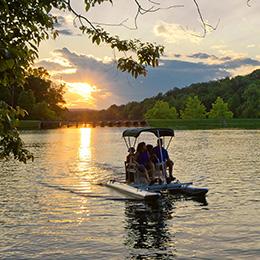
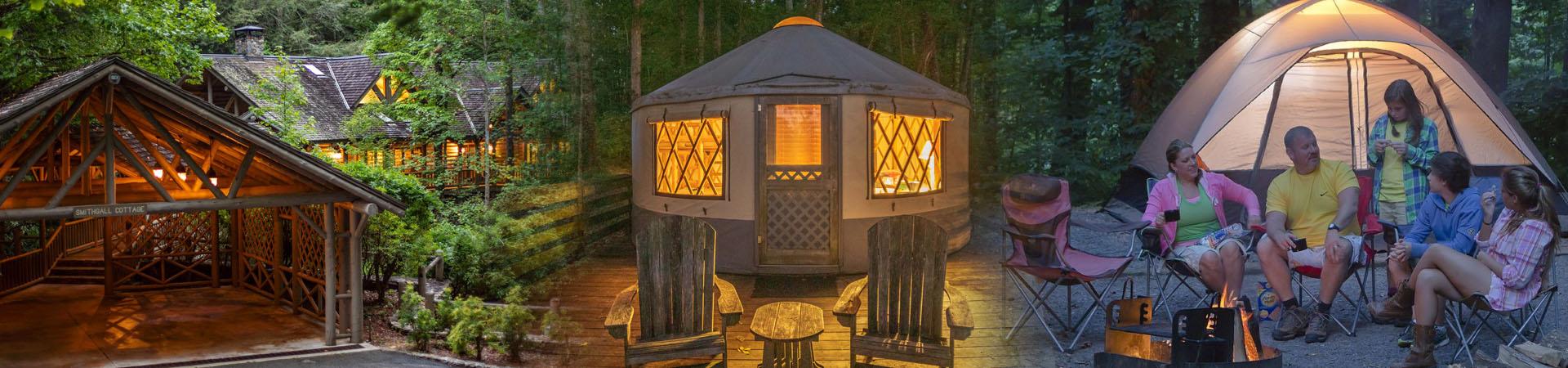
Visitors can paddle through calm waters in canoes, kayaks or pedal boats, a romantic way to explore the park’s waters. Campsites and pioneer camping areas welcome overnight adventurers, while RV sites provide another way to stay among the park’s quiet landscapes.
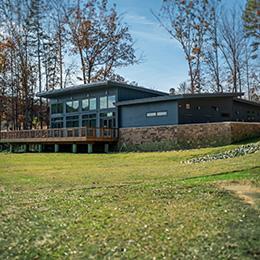
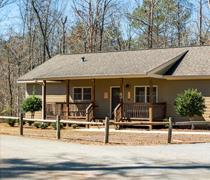
The park’s cabins and cottages are especially beloved. With their vintage feel and simple charm, staying overnight here feels a little like spending a weekend at a grandparent’s cabin in the woods—cozy, peaceful and removed from the rush of everyday life.
And at night, the sky opens up. Far from city lights, the stars over General Coffee State Park shine brilliantly.
The park continues to bring people together through its programs and events. In February, visitors gathered for a Georgia Arbor Day Tree Giveaway, learning about plant species and growth cycles while taking home trees to plant in their own communities.
Since February is Black History Month, the park hosted “Low on the Hog,” where visitors learned how African Americans historically prepared and cooked traditional cuts of meat. The park also welcomed visitors for the 3rd Annual South Georgia Seed Swap, featuring presentations on seed saving, heirloom plants, and the exchange of native and non-GMO seeds.
With more on the horizon, many new memories are on the way. On March 28, the park will host the 2nd Annual Turpentine Festival, where visitors can learn about the region’s historic turpentine industry through demonstrations of tar cups, rosin production, and traditional techniques. Crafts, food vendors, and live entertainment will fill the park throughout the day.
Then, on April 25, the park will celebrate Pioneer Skills Day, offering demonstrations of sheep shearing, spinning, weaving, cast-iron cooking, and other historic crafts.
Families can also look forward to the Flatwoods Fishing Derby on May 9, where young anglers and adults alike can compete for prizes while enjoying a day at the water.
Events like these remind visitors that even after a devastating storm, General Coffee State Park continues to serve as a gathering place; a place where history, community and nature meet.
The forest may be quieter for now, but the park has plenty more stories to tell and monumental moments in store for its visitors.
As Georgia approaches the 250th anniversary of our nation, places like General Coffee State Park remind us that landscapes endure, communities adapt and nature always finds a way forward.
And sometimes, quiet is simply the beginning of something new.
Thank you to everyone who worked tirelessly to help General Coffee State Park reopen to the public. It took a coalition of site staff, volunteers, staff from other state parks, staff from sister DNR divisions, the National Guard (Douglas), and The Community Foundation of Coffee County to make this invaluable resource available to visitors again. Your hands on the work and monetary support are a testament to the strength of the outdoor community in Georgia.